2482 Dufferin St, York, ON M6B 3R1 | Open 24 hours | Licensed & insured exterminators serving Toronto and the GTA

Toronto Pest Control Guide 2026: Honest Advice From Licensed GTA Exterminators

Most pest control guides are written to sell a service. This one is written to help you make a good decision, whether that decision leads you to call us or not. After more than ten years serving Toronto and the GTA, the Pest Control Pro team has seen every pest scenario this city produces, every mistake homeowners make before calling a licensed exterminator, and every shortcut that budget companies use to win jobs they should not be winning.
This guide covers what Toronto homeowners and renters actually need to know about pest control in Toronto in 2026. Learn which pests are active throughout the year, what effective treatment looks like for the city’s most common infestations, what pest control services should cost, and what to watch for when a quote seems unusually low. You’ll also discover how to verify that your pest control provider holds the credentials required under Ontario law before any pesticide is applied on your property.
Why Toronto Has a More Demanding Pest Problem Than Most Canadian Cities
Toronto is not an average pest control market. Two specific characteristics create pest pressure that most other Canadian cities do not experience at the same intensity.
The Housing Stock and Density Factor
A significant portion of Toronto’s residential housing was built before 1980. Pre-war homes in areas like The Annex, Roncesvalles, Leslieville, and East York have aging foundations, deteriorating mortar, and uninsulated pipe chases that provide mice and cockroaches with entry pathways that newer construction does not offer. Toronto’s condo market adds a second layer of complexity. In a high-rise building, bed bugs travel through shared walls, plumbing chases, and elevator button panels. A single infested unit affects adjacent units on the same floor and the floors directly above and below, a spread mechanism that does not exist in detached homes.
The Climate Factor in 2026
Toronto’s climate in 2026 is measurably warmer and more humid than historical averages. Warmer temperatures extend the active season for insects including ants, wasps, and cockroaches. Warmer winters reduce the cold snaps that historically provided a natural population check on certain insect species. Pest activity in Toronto now starts approximately two to three weeks earlier in spring and continues two to three weeks later in fall compared to patterns from a decade ago. Treatment timing that was appropriate in 2015 underestimates the current active window for most pest species across the GTA.
Toronto’s Seasonal Pest Calendar: What to Expect Every Month
Understanding which pests are active when is the foundation of effective pest management. Most homeowners only think about pest control reactively, after a problem appears.
Winter (December Through February)
Winter is mice season in Toronto without exception. As temperatures drop below freezing, house mice and Norway rats seek warmth indoors through any gap larger than 6 millimetres, the width of a standard pencil. German cockroaches remain active year-round in heated Toronto apartments and condos regardless of outdoor temperature. Bed bug reports increase in winter as holiday travel brings infested luggage into buildings and increased time indoors makes bites more noticeable. Raccoons and squirrels that established attic nesting sites before the cold season remain active, causing ongoing damage to insulation and wiring.
Spring (March Through May)
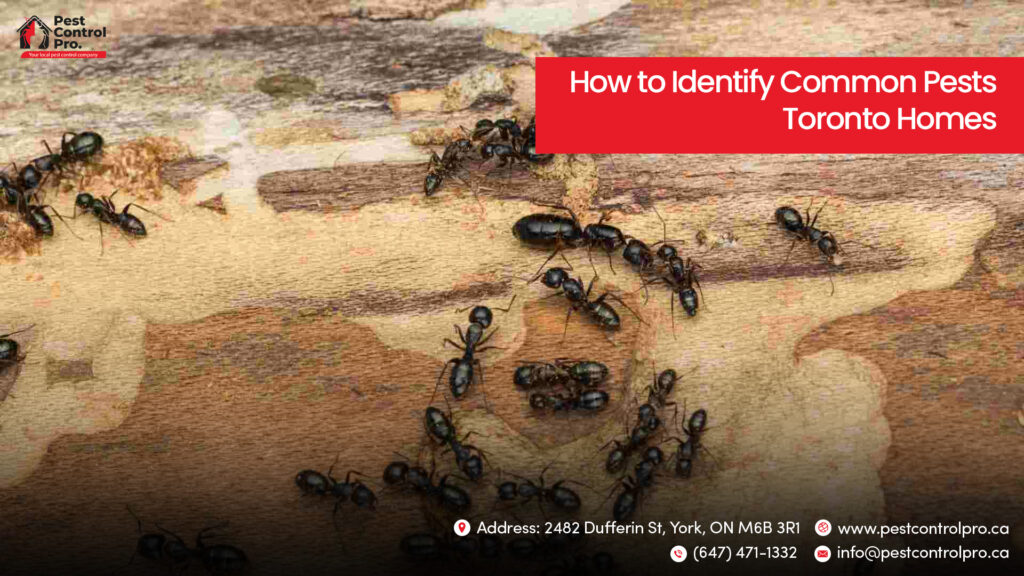
Spring generates the highest volume of new infestation reports across the GTA. Rising temperatures activate carpenter ant colonies that have been dormant in wall voids and wood structures through winter. Carpenter ants cause more structural damage to Toronto’s older homes than any other insect species by excavating nesting galleries in load-bearing wood. Pharaoh ants become active and enter homes through foundation gaps. Consumer spray products reliably make pharaoh ant infestations worse by triggering colony splitting. Professional baiting systems that reach the full colony are the only effective approach. Wildlife removal requests peak in March and April when raccoons, squirrels, and skunks give birth, making humane professional removal under Ontario’s Fish and Wildlife Conservation Act the safe and legally compliant approach.
Summer (June Through August)
Summer is peak season for wasp and hornet activity. Yellow jackets and bald-faced hornets establish nests in wall voids, roof overhangs, and garden sheds from June onward. A mature yellow jacket nest by August can contain 5,000 or more workers. Wasp nest removal is one of the most dangerous DIY pest control attempts Toronto homeowners make, and same-day professional response prevents the accelerated growth that makes August nests significantly more hazardous than June nests. Bed bug reports in Toronto increase in summer due to vacation travel and the transmission that hotels, short-term rentals, and public transit create. Black widow spiders have been confirmed in GTA garages and wood piles across Vaughan, Mississauga, and the western suburbs. Any spider with a visible red hourglass marking on its underside should be treated as a black widow and inspected by a licensed exterminator.
Fall (September Through November)
Fall is the second most critical pest season in Toronto and the one that most homeowners fail to prepare for. As temperatures drop through September and October, mice begin actively searching for entry points into heated structures. Thorough entry point inspection and sealing in fall prevents the establishment of indoor rodent populations before winter. Cockroach activity in Toronto apartment buildings peaks in fall as residents return from summer travel. Squirrel damage to Toronto homes is most significant in fall when squirrels attempt to enter attics for winter denning through deteriorating soffits and rooftop vent gaps.
The Four Pests Toronto Homeowners Fear Most
Bed Bugs: What Toronto Homeowners Get Wrong
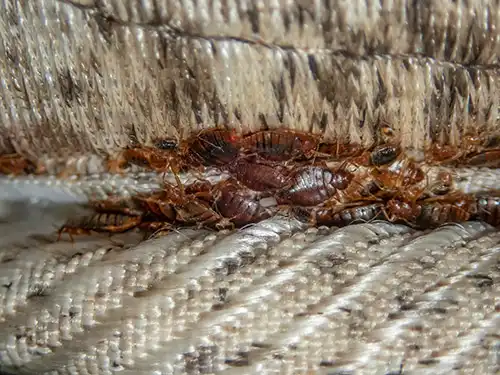
The most important honest statement about bed bugs in Toronto is this: they are treatable and they are not a reflection of cleanliness. Bed bug infestations occur in luxury condominiums and social housing in equal measure. Heat treatment at 56 degrees Celsius kills every bed bug life stage, including eggs that chemical treatments cannot reliably eliminate, by penetrating mattresses, wall voids, and furniture joints where spray cannot reach. Pest Control Pro is one of the few GTA exterminators certified to apply Aprehend, a biological biopesticide using Beauveria bassiana fungus that kills through contact and spreads through the colony as infected bugs return to harbor sites. Unlike chemical treatments, bed bugs cannot develop resistance to Aprehend. Every bed bug job is backed by a 100 percent removal guarantee.
Mice and Rodents: Why Trapping Alone Never Works
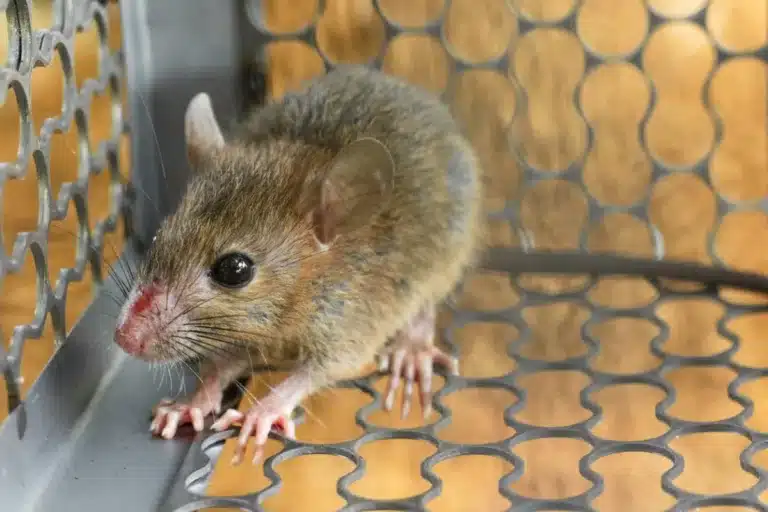
The single most common mistake Toronto homeowners make with mice is placing snap traps without sealing entry points. Trapping removes individual mice but does not prevent continuous re-entry from outside. A house mouse population can double in three to four weeks. Effective mice control requires permanently sealing every gap around pipe penetrations, foundation weep holes, utility line entries, and dryer vents larger than 6 millimetres. This is the step that most budget companies skip because it takes time and skill. Our team includes full entry point sealing and rodent-proofing as standard on every mice job, backed by a written re-infestation guarantee.
Cockroaches: The Apartment and Condo Reality
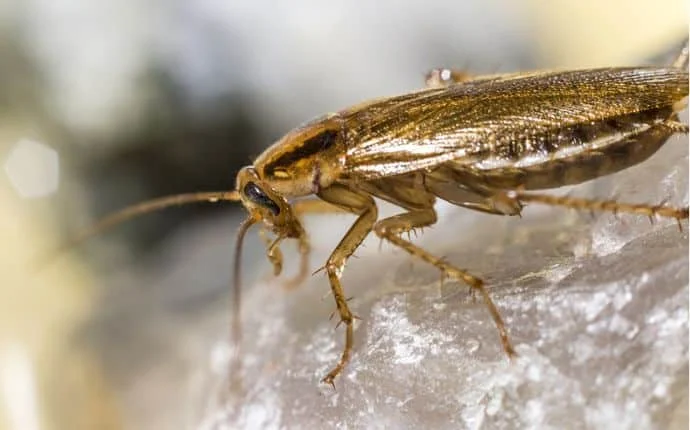
German cockroaches are the dominant cockroach species in Toronto’s apartment and condo buildings. They breed within wall voids, under appliances, and behind outlet plates, reaching populations of hundreds before residents notice more than occasional kitchen activity at night. Gel bait applied to harbourage locations combined with residual insecticide in cracks and wall voids targets the full colony. Consumer spray products kill foragers but trigger dispersal that spreads the infestation to adjacent rooms and units. In Toronto buildings where pressure originates from neighbouring units, building-wide treatment coordination produces the only durable result.
Raccoons and Wildlife: Toronto’s Most Visible Problem
Toronto has the highest urban raccoon density of any city in the world. Raccoons that access attics cause insulation contamination, structural damage to roof decking and fascia, and electrical hazard from wire chewing. Under the Ontario Fish and Wildlife Conservation Act, raccoons must be removed humanely and cannot be relocated more than one kilometre from the capture site. Any company claiming to relocate raccoons far from the property is either misrepresenting their service or operating outside Ontario law. Effective Toronto wildlife removal requires humane trapping or one-way exclusion devices, complete entry point sealing after removal, and attic remediation where contamination has occurred.
Honest Cost Breakdown for Pest Control in Toronto 2026
What Toronto Pest Control Actually Costs
Licensed comprehensive pest control in Toronto in 2026 starts at the following prices. Ant control including colony elimination and perimeter treatment from $120. Cockroach treatment using gel bait and IPM methods from $150. Spider control including basement and attic treatment from $120. Wasp nest removal from $150. Mice control with full entry point sealing and rodent-proofing from $250. Wildlife removal including humane trapping or exclusion and entry point sealing from $250. Bed bug heat treatment using industrial equipment at 56 degrees Celsius from $500 per unit. All services include a free on-site inspection and a written quote before any work begins.
When Low Quotes Should Worry You
Quotes significantly below these market rates almost always reflect one of three situations. The company uses lower-grade or improperly registered products. The scope excludes the steps that produce durable results, specifically entry point sealing for rodents and heat treatment or Aprehend for bed bugs. The company operates without an MECP licence, which creates personal liability for the homeowner if property damage or health concerns arise during treatment. The Toronto pest control market has a documented pattern of companies that advertise $99 treatments online and demand significantly more at the door after claiming a severe infestation. A licensed exterminator provides a written quote after an on-site assessment, not a phone estimate that changes on arrival.
How to Choose a Licensed Pest Control Company in Toronto
Ontario MECP Licensing and How to Verify It
Every pest control technician applying pesticides in Ontario must hold a valid pesticide applicator licence from the Ontario Ministry of the Environment, Conservation and Parks under the Ontario Pesticides Act. Verification takes less than two minutes through the Ontario government’s online licence registry. Ask any Toronto pest control company for their MECP licence number before booking. All products applied by licensed Ontario exterminators must be registered with Health Canada’s Pest Management Regulatory Agency, confirming independent safety testing and approval for use in Canadian homes.
Questions to Ask Before Booking
Ask every Toronto exterminator you are considering these five questions. What specific MECP pesticide applicator licence number do your technicians hold? Does your mice control service include full entry point sealing? What specific PMRA-registered products will you apply? Does your bed bug treatment come with a written removal guarantee? Are you a certified member of SPMAO, CPMA, or NPMA? A company that answers all five specifically and in writing is a company that operates transparently. A company that deflects or cannot confirm PMRA product registration should be removed from consideration regardless of their quoted price.
What Pest Control Pro Brings to Every Toronto Job
Every criterion in this guide reflects what a genuinely qualified Toronto pest control company should deliver. It holds MECP pesticide applicator licences for every technician, carries current membership in SPMAO, CPMA, and NPMA, and is one of the few certified Aprehend applicators in the entire GTA. Every bed bug job carries a 100 percent removal guarantee. Every mice job includes full entry point sealing as standard. Every product applied is Health Canada and PMRA-registered, child-safe, and pet-friendly. Same-day and 24/7 emergency service is available seven days a week across Toronto, Mississauga, Brampton, Markham, Vaughan, Oakville, and Ajax. The ten years of Toronto and GTA experience that founder Davis has built into every process means our technicians arrive knowing what they will find before the customer has finished explaining the problem.
Conclusion
Pest control in Toronto in 2026 is more complex than it was a decade ago. Warmer and more humid seasonal conditions have extended pest activity windows. Toronto’s older housing stock continues to create entry and harbouring conditions that make mice, cockroaches, and carpenter ants recurring challenges. The advice in this guide comes from licensed GTA exterminators who work in Toronto homes and businesses every day of the year. The seasonal calendar is accurate. The treatment honesty sections reflect what actually works. The cost figures reflect what comprehensive licensed service costs in the current Toronto market. The credential verification guidance gives every Toronto homeowner and renter the tools to distinguish accountable licensed operators from the budget alternatives that populate every market.
Frequently Asked Questions
1. What pests are most common in Toronto homes in 2026?
The five most commonly treated pests across Toronto and the GTA in 2026 are German cockroaches in apartment and condo buildings, house mice entering through foundation gaps in fall and winter, bed bugs in multi-unit residential buildings, carpenter ants in pre-war detached homes, and raccoons in attics across all Toronto neighbourhood types. Wasp nests peak from June through August and black widow spiders have been confirmed in GTA garages and wood piles through late summer and fall.
2. How much does pest control cost in Toronto in 2026?
Licensed pest control in Toronto starts at $120 for ant and spider control, $150 for cockroach treatment and wasp nest removal, $250 for mice control with full entry point sealing and wildlife removal, and $500 per unit for bed bug heat treatment. All services include a free on-site inspection and a written quote with no hidden fees before any work begins.
3. Do Toronto pest control companies need to be licensed in Ontario?
Yes. Every technician applying pesticides in Ontario must hold a valid MECP pesticide applicator licence under the Ontario Pesticides Act. All products must be registered with Health Canada’s PMRA. Homeowners can verify any exterminator’s MECP licence number through the Ontario government’s online registry before booking. Hiring an unlicensed exterminator creates personal liability risk and provides no regulatory recourse if the treatment causes damage or health concerns.
4. What is the best bed bug treatment available in Toronto?
Heat treatment at 56 degrees Celsius is the most effective single-visit option because it kills every life stage including eggs that chemical treatments cannot reliably reach. Aprehend biological treatment using Beauveria bassiana fungus is the most effective residual treatment because bed bugs cannot develop resistance to it and the colony-spread kill mechanism reaches hidden populations that spray coverage misses. Pest Control Pro is one of the few certified Aprehend applicators in the GTA and backs every bed bug treatment with a 100 percent removal guarantee.
5. How do you permanently get rid of mice in a Toronto home?
Permanent elimination requires locating and sealing every entry point larger than 6 millimetres in addition to removing the existing indoor population through trapping and baiting. Trapping without sealing produces a temporary result because new mice enter as fast as existing ones are removed. It includes full entry point sealing and rodent-proofing on every mice control job with a written re-infestation guarantee for the warranty period.