2482 Dufferin St, York, ON M6B 3R1 | Open 24 hours | Licensed & insured exterminators serving Toronto and the GTA

Argentine Ants
Identification, behaviour, signs of infestation and how to get rid of argentine ants in Toronto and the GTA.
About Argentine Ants
Protect your home or business from ants by learning techniques for identification and control. For an established colony, professional ant control in Toronto with colony baiting is far more effective than store-bought sprays.
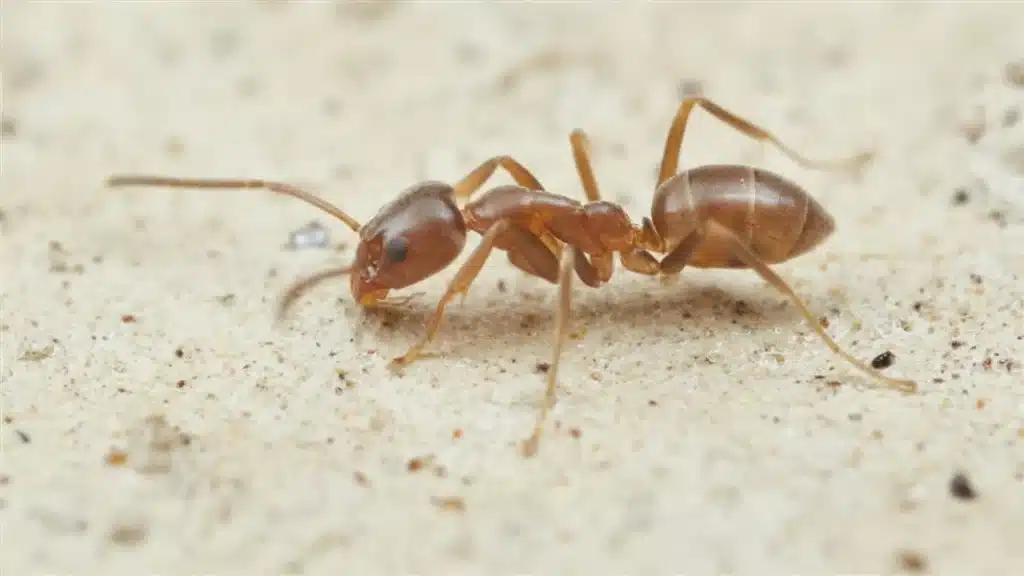
Argentine ants are small, light to dark brown pests that thrive in warm environments. They form large supercolonies and exhibit cooperative behavior, which makes control challenging. We often see them foraging in organized trails or invading kitchens for sugary food. While they don’t typically cause structural damage, they can contaminate food and disrupt local ecosystems. If you want to know more about their life cycle, signs of infestation, and treatment options, stick with us!
Key Takeaways
Point 1
Argentine ants are small, dull brown ants measuring 2.2 to 2.6 mm, recognizable by their triangular head shape and single petiole node.
Point 2
- They form supercolonies, with multiple queens and interconnected nests, leading to large populations in warm environments.
Point 3
- Signs of infestation include organized foraging trails, nests in moist areas, and presence in kitchens, particularly around sugary foods.
Point 4
- Effective treatment involves baiting with slow-acting poisons, maintaining sanitation to reduce food sources, and avoiding immediate pesticide sprays.
Point 5
- Their presence can lead to food contamination, disrupted ecosystems, and negative perceptions in commercial spaces, resulting in financial losses.
Identification of Argentine Ants
To identify Argentine ants, observe their distinct features. These small ants measure approximately 2.2 to 2.6 mm in length. They exhibit a dull light to dark brown color. Their triangular head shape, single petiole node, and lack of a stinger set them apart from other ant species.
Argentine ants prefer warm habitats, often invading residential and commercial spaces. Their colonies are unique, containing up to eight queens for every 1,000 workers, leading to swift population growth. Notably, Argentine ants can form supercolonies, which can cover vast areas.
Recognizing these characteristics is crucial for managing Argentine ant infestations effectively.
Life Cycle and Behavior
Argentine ants exhibit a fascinating life cycle and behavior. They undergo complete metamorphosis, transitioning through four stages: egg, larva, pupa, and adult. Argentine ant queens can lay up to 60 eggs daily, leading to rapid colony growth.
| Life Stage | Duration at 21°C | Duration at 30°C |
|---|---|---|
| Egg | 7-10 days | 5-7 days |
| Larva | 10-14 days | 6-8 days |
| Pupa | 25 days | 8 days |
| Adult | Indefinite | Indefinite |
Their cooperative behavior fosters interconnected nests and minimizes aggression, enabling the formation of extensive supercolonies. These supercolonies can dominate their environment and outcompete rival species effectively. Interestingly, Argentine ants are known to exhibit a unique trait: they can recognize nestmates through scent, which strengthens their social bonds.
Signs of Infestation
When searching for signs of an Argentine ant infestation, look for specific indicators of their presence. The most prominent sign is their , which guide them to food sources.
Here are the main signs to observe:
Visible Trails
You may notice long lines of ants moving in organized formations, especially in kitchens and food storage areas.
Nests
These ants create nests outdoors in moist areas or indoors in small cracks and crevices, particularly near water sources.
Sweet Residue
The presence of honeydew, a sticky substance often found near aphids, indicates their attraction to sugary foods.
Did you know that Argentine ants can form supercolonies with millions of individuals, making them highly successful at adapting to their environments?
Impact on Residential and Commercial
Argentine ants significantly impact residential and commercial properties. These invasive pests invade homes and businesses in search of food and moisture. They often lead to food contamination, especially in kitchens and pantries, where they’re attracted to sweet and greasy substances.
Although Argentine ants don’t typically cause structural damage, their presence disrupts local ecosystems by displacing native ant species, which play crucial roles in
In commercial environments, ant infestations can lead to negative customer reviews and health code violations, resulting in financial losses. A random fact is that Argentine ants can form supercolonies, which may contain millions of individuals and span over hundreds of miles.
Addressing these challenges swiftly is vital to ensure a clean and safe environment for all.
Treatment Options for Argentine Ant Infestations
To effectively treat Argentine ant infestations, a strategic combination of methods is essential. Here’s a step-by-step guide:
Utilize Baiting Techniques
Employ slow-acting poison baits containing fipronil or boric acid. This ensures that foraging worker ants transport the toxins back to their nest, targeting the entire colony.
Implement Sanitation Practices
Maintain cleanliness in your home. Regularly clean surfaces and remove food sources to minimize the attraction for ants.
Opt for Pesticide Alternatives
Refrain from using spray pesticides. Spraying can provoke the queens to increase egg production, exacerbating the infestation.
Instead, prioritize baiting strategies for a more effective solution.
Did you know? Argentine ants have a unique ability to form supercolonies, which can stretch over vast areas, making their eradication particularly challenging.
Prevention Strategies
To prevent Argentine ant infestations, we must take proactive steps. First, seal all gaps and cracks around doors and windows. This action makes it difficult for ants to enter our homes.
Next, regularly clean surfaces to eliminate food residues, as Argentine ants are attracted to sugary and greasy substances. Store food in airtight containers and refrigerate perishables to further protect against these pests.
In our yards, manage debris and moisture levels. Trim foliage and adjust irrigation practices to create an inhospitable environment for ants. Additionally, using natural repellents can help keep them at bay.
Consider placing bait stations strategically to monitor and address any potential threats before they escalate into infestations.
Interestingly, Argentine ants are known to form supercolonies, which can consist of millions of individuals. By implementing these prevention strategies, we can effectively safeguard our spaces.
The Role of Pest Control Pro in Managing Argentine Ants
Pest Control Pro effectively manages Argentine ant infestations through strategic interventions. Our approach involves three main tactics:
Targeted Baiting
We deploy specific baits, including borate-sucrose and protein-based options, that focus on eliminating reproductive queens. This method significantly curtails colony expansion.
Timely Interventions
Timely Interventions: We plan our treatments for spring, coinciding with peak egg-laying periods to maximize our impact on the ant population.
Pheromone Disruption
Did you know? Argentine ants can form supercolonies that span hundreds of miles, making them particularly challenging to control.
Did you know? Argentine ants can form supercolonies that span hundreds of miles, making them particularly challenging to control.
Dealing with argentine ants?
Book a free inspection with our licensed technicians for fast, guaranteed professional ant control in Toronto.
Argentine Ants FAQ
Are There Argentine Ants in Canada?
Yes, there’s evidence of Argentine ants in Canada. Their distribution thrives in southern urban areas, adapting to our climate’s warm, humid summers. Together, we must remain vigilant against their potential impact on local ecosystems.
What Is the Problem With Argentine Ants?
Invasive species can be like unwelcome guests that outstay their welcome. We face significant ecological impacts when they disrupt local ecosystems, harming native species and altering food webs. Let’s understand the broader implications together.
How Do I Get Rid of Argentine Ants?
To get rid of ants, we can implement effective ant control methods. Let’s explore natural remedies like vinegar and essential oils, while ensuring cleanliness and sealing entry points to create a less inviting environment for them.
How Do You Tell if an Ant Is an Argentine Ant?
To identify an ant, we look for specific identifying traits like size and color, and observe its behavior. Particularly, aggressive interaction with other ants can also help us determine its species.
Partnership and Affiliations
Pest Control Pro is affiliated with the National Pest Management Association, the Canadian Pest Management Association and the Structural Pest Management Association of Ontario.




Found argentine ants at home or work?
Let's solve your pest problem.