2482 Dufferin St, York, ON M6B 3R1 | Open 24 hours | Licensed & insured exterminators serving Toronto and the GTA

Rat Control Brampton: Signs, Costs, and How to Keep Them Out

Rats are not a problem most Brampton homeowners expect until they are already facing one. The signs tend to appear gradually. A strange scratching sound in the wall at night. Droppings near the back of a kitchen cabinet. A gap near a pipe that was not there before. By the time most homeowners act, the infestation has usually been established for weeks or months rather than days.
This guide gives Brampton homeowners a straightforward picture of what rat activity actually looks like, how rats are getting into the home, what professional control costs in the local market, and what steps after treatment prevent the problem from returning. Pest control in Brampton is one of the most common calls the team receives across the GTA, and the guidance here reflects what is actually happening in Brampton properties right now.
Why Brampton Has a Rat Problem Worth Taking Seriously
Brampton’s combination of rapid residential development, older established neighbourhoods, and proximity to greenbelt areas and watercourses creates specific conditions that support rat populations year-round. Norway rats, the primary species encountered in Brampton residential properties, establish burrow networks in undisturbed outdoor areas, including overgrown lots, ravine-adjacent properties, and the edges of commercial developments.
As new construction disturbs previously undeveloped land across Brampton and the surrounding Region of Peel, established rat colonies are displaced and move into the nearest available residential areas. Homeowners in neighbourhoods near active development sites or greenbelt edges are experiencing rat activity at higher rates than comparable properties in more stable suburban areas. The cold Ontario winters accelerate this pattern significantly. As temperatures drop from October onward, Norway rats actively seek indoor warmth and food sources, making fall the period of highest rat entry risk for Brampton homes.
How to Tell If You Have Rats in Your Brampton Home
The difference between rat and mouse evidence matters because the treatment approach, the entry points to seal, and the products used differ between species. Norway rat droppings are 15 to 20 millimetres long with blunt, rounded ends, roughly the size and shape of a large raisin. Mouse droppings are 3 to 6 millimetres with pointed ends. Finding larger droppings means a rat problem rather than a mouse problem, and the response should be calibrated accordingly.
Burrow entrances along the foundation exterior are one of the most reliable indicators of Norway rat activity. Active burrows are typically 6 to 9 centimetres in diameter with smooth, compacted soil at the entrance from regular use. Fresh soil excavated near the opening indicates current activity. Rats also leave greasy rub marks along wall edges and floor surfaces they travel repeatedly. These dark smear marks from body oils outline the regular travel routes the population is using inside the structure.
Scratching, thumping, and dragging sounds within walls, beneath floorboards, and in ceiling spaces during nighttime hours reflect Norway rat activity patterns. The sounds are heavier and more deliberate than the lighter scampering of mice. A strong ammonia-like odour in enclosed spaces, particularly basements, crawl spaces, and under kitchen and bathroom cabinetry, indicates accumulated rat urine and should prompt immediate professional assessment.
How Rats Get Into Brampton Homes
Norway rats can compress their bodies through any gap of approximately 25 millimetres, the diameter of a standard Canadian quarter. Gaps that appear minor in a casual exterior inspection are sufficient for entry. The most common entry points in Brampton residential properties include pipe penetrations through foundation walls where the seal around the pipe has deteriorated, gaps in the mortar of older brick foundations, utility line entries, dryer vents with damaged or missing covers, and the spaces around basement window frames where weatherstripping has failed.
Brampton properties near watercourses face an additional entry pathway that many homeowners do not anticipate. Norway rats are capable swimmers and can enter homes through compromised floor drains, cracked sewer connections beneath the basement floor, and deteriorated cleanout caps. This sewer entry pathway is invisible from the exterior, which explains why some Brampton homeowners find evidence of rat activity inside despite an apparent lack of above-grade entry points.
Larger properties with decking, sheds, woodpiles, or dense ground cover along the foundation provide outdoor harborage that supports rat populations immediately adjacent to the structure. Rats that have established outdoor burrows close to the home have short travel distances to explore potential entry points along the foundation, which accelerates indoor entry during colder months.
The Health Risks Brampton Homeowners Should Know
Norway rats carry leptospirosis, a bacterial infection transmitted through contact with rat urine. Rat urine deposited on basement floors, on surfaces around floor drains, and along travel routes creates contamination that persists on surfaces after the rats themselves are removed. Leptospirosis presents initially as severe flu-like illness and can progress to kidney failure if untreated. Any area of the home where rat activity has been concentrated should be professionally decontaminated after treatment.
Hantavirus is transmitted through inhalation of airborne particles from rat droppings, urine, and nesting material. Brampton homeowners who discover nesting material or accumulated droppings in confined spaces should not disturb this material without appropriate respiratory protection before professional decontamination is completed. Salmonella contamination of food storage areas and kitchen surfaces from rat activity creates a direct food safety risk that requires surface decontamination and disposal of potentially contaminated food products before the kitchen is used for food preparation again.
What Professional Rat Control in Brampton Actually Costs
Professional rat control in Brampton in 2026 ranges from $250 to $600 or more, depending on the severity of the infestation, the number of confirmed entry points, and whether decontamination is required after treatment.
A contained infestation with limited activity and few entry points runs $250 to $400 for a standard program covering inspection, bait station placement, and basic entry point sealing. A moderate infestation with established burrowing, multiple entry points, and indoor evidence across more than one area of the home runs $400 to $600, including more extensive exclusion work and follow-up assessment. A severe infestation with structural damage, sewer entry involvement, or decontamination requirements runs above $600, with the final total depending on scope.
Pest Control Pro provides a free on-site inspection at every Brampton rat control appointment with a written itemised quote covering treatment scope, entry point sealing, and total cost before any work begins. No hidden fees apply.
What Professional Treatment Involves
A thorough exterior and interior inspection identifies the species present, maps active burrow locations and travel routes, confirms entry points at both grade and below-grade level, and assesses whether sewer or drain entry pathways are involved. This inspection is the foundation of effective treatment because rat populations cannot be permanently resolved without understanding how they are accessing the structure.
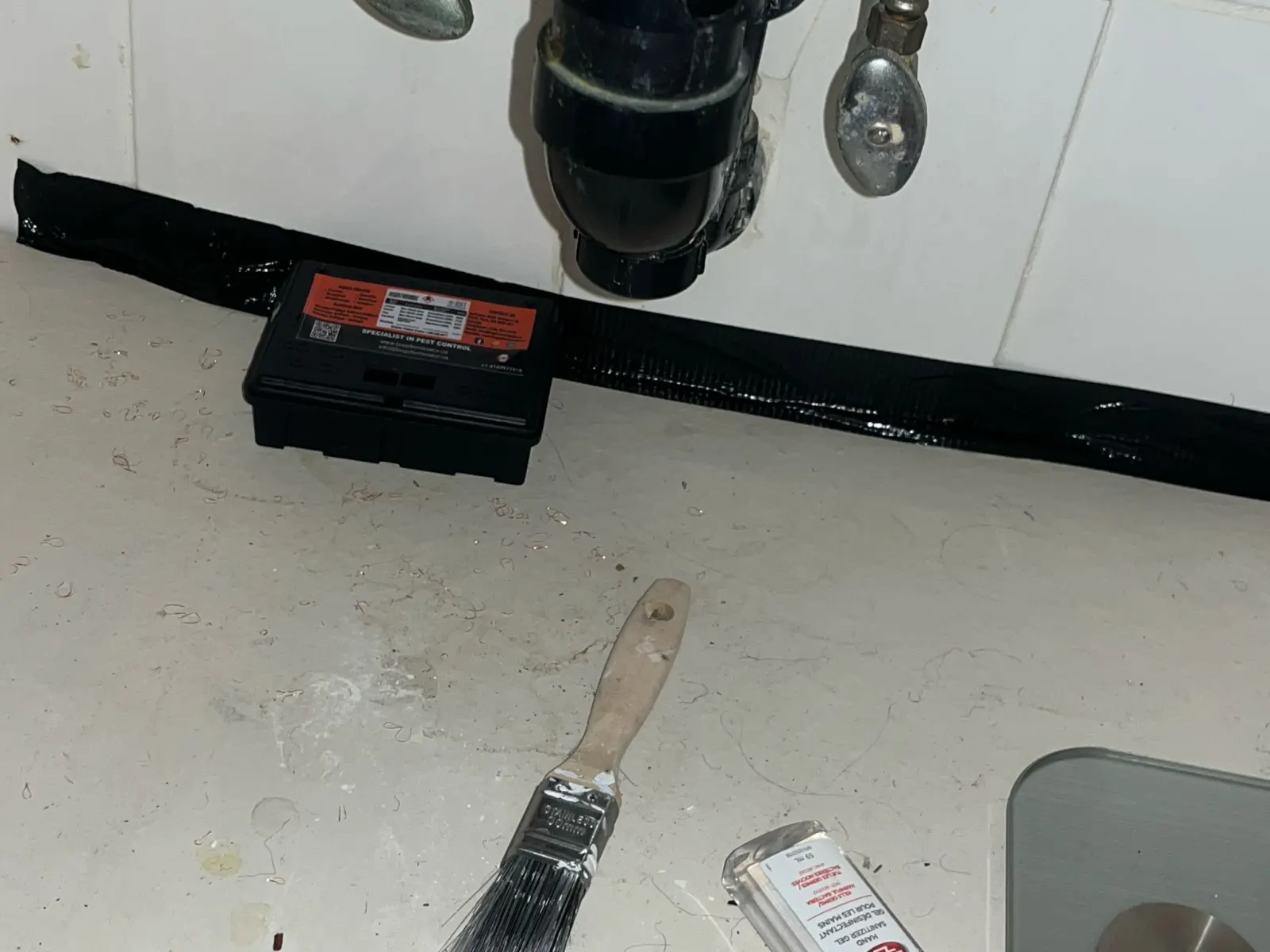
Treatment combines MECP-licensed rodenticide bait stations placed on confirmed rat runways along the building exterior, using tamper-resistant stations that keep bait accessible to rats while preventing access by children, pets, and non-target wildlife. Entry point sealing using rodent-proof materials, including steel mesh, metal flashing, hardware cloth, and concrete, closes the pathways the population is using to access the structure. Pest Control Pro includes full entry point sealing and rodent-proofing as part of every rat control service, backed by a written re-infestation guarantee.
How to Keep Rats Out After Treatment
Permanent rat exclusion requires addressing the structural conditions that allowed entry in the first place. Every gap of 25 millimetres or larger at or below grade on the building exterior should be sealed with rodent-proof materials. Foam, caulk, and steel wool are insufficient for rat exclusion because rats gnaw through all three. Metal mesh, hardware cloth, and concrete are the appropriate materials for permanent exclusion at foundation penetrations, pipe entries, and dryer vents.
Eliminating outdoor harborage reduces the rat population pressure immediately adjacent to the structure. Woodpiles stored against the foundation should be moved away from the building. Dense ground cover and overgrown vegetation along the foundation perimeter should be cleared to reduce the sheltered runway conditions that rats prefer when moving between outdoor burrows and the structure. Compost systems should use enclosed bins rather than open pile composting, particularly for properties near greenbelt edges or watercourses where outdoor rat populations are sustained year-round.
Basement floor drain traps should be filled with water, and drain covers should be installed to close the sewer entry pathway. For properties with confirmed or suspected sewer-connected entry, video inspection of the sewer lateral connection by a licensed plumber may be required to identify and repair cracking or joint failure that provides direct access from the sewer to the basement interior.
Region of Peel Subsidy: What Brampton Homeowners Should Check
The Region of Peel has operated a Residential Rat Control Subsidy Pilot Program that reimburses eligible Brampton homeowners for a portion of professional exterior rat control costs. The program has offered reimbursement of up to 50% of costs to a maximum of $200 for exterior pest control services provided by approved vendors.
Brampton homeowners should contact the Region of Peel Public Health Division directly to confirm whether the subsidy program is currently active, what the current reimbursement terms are, and which pest control providers are on the approved vendor list. Program availability and terms change periodically, and the most accurate current information comes directly from the Region of Peel at peelregion.ca.
Conclusion
Rat control in Brampton is most effective when it addresses three things simultaneously: removing the current indoor population through professional bait station placement, permanently sealing every entry point with rodent-proof materials, and eliminating the outdoor harborage conditions that sustain rat populations immediately adjacent to the structure. Treating any one of these without the others produces temporary improvement rather than permanent resolution.
Pest Control Pro serves Brampton and the wider Region of Peel with MECP-licensed rat control, rodent-proof exclusion work, and written re-infestation guarantees on every job. Every appointment starts with a free on-site inspection and a written quote before any work begins. Call (647) 471-1332 to schedule same-day service across Brampton 7 days a week.
Frequently Asked Questions
1. How do I know if I have rats or mice in my Brampton home?
The most reliable way to distinguish between rats and mice is by dropping size. Norway rat droppings are 15 to 20 millimetres long with blunt, rounded ends. Mouse droppings are 3 to 6 millimetres with pointed ends. Burrow entrances of 6 to 9 centimetres along the foundation exterior confirm Norway rats specifically, since mice do not burrow. The sounds of heavy thumping and dragging in walls and under floors at night are characteristic of Norway rats rather than the lighter scampering of mice. Gnaw marks from rats are also significantly larger than those left by mice because Norway rat incisors produce marks of 4 to 6 millimetres compared to the 1 to 2 millimetre marks mice leave.
2. How much does rat control cost in Brampton in 2026?
Professional rat control in Brampton starts from $250 for a contained infestation with limited entry points. A moderate infestation with multiple entry points and established activity runs $400 to $600. A severe infestation requiring decontamination or sewer connection involvement runs above $600. Every appointment includes a free on-site inspection and a written itemised quote before any work begins. The Region of Peel has also operated a subsidy program reimbursing eligible homeowners up to $200 for professional exterior rat control. Homeowners should contact the Region of Peel Public Health Division to confirm current program availability.
3. How are rats getting into my Brampton home if I cannot find an opening?
Norway rats frequently enter Brampton homes through the sewer system via compromised floor drains, cracked sewer lateral connections beneath the basement floor, and deteriorated cleanout caps. This entry pathway is invisible from the exterior. Any Brampton home with basement rat activity and no obvious above-grade entry should have its floor drains and sewer connection assessed during the professional inspection. Norway rats can also compress through gaps of approximately 25 millimetres at pipe penetrations, foundation weep holes, and deteriorated mortar, gaps that appear minor in a casual visual inspection but are sufficient for entry.
4. Why do rats keep coming back to my Brampton property after treatment?
Recurring rat activity after treatment almost always reflects unaddressed entry points rather than treatment failure. The most commonly missed entry point in Brampton properties is the sewer connection pathway. Re-infestation also occurs when outdoor harborage conditions, such as woodpiles against the foundation, dense ground cover along the perimeter, and accessible compost, are not addressed after interior treatment. Every rat control job includes a written re-infestation guarantee and follow-up assessment to confirm complete resolution rather than temporary improvement.
5. Are rats in Brampton dangerous to my family’s health?
Yes. Norway rats carry leptospirosis, transmitted through contact with rat urine, hantavirus transmitted through inhalation of particles from droppings and nesting material, and Salmonella transmitted through contact with food preparation surfaces. Areas where rat activity has been concentrated require professional decontamination after treatment. Accumulated rat droppings or nesting material in confined spaces like basements and crawl spaces should not be disturbed without appropriate respiratory protection before decontamination is completed. A free on-site inspection includes assessment of contamination risk and recommendations for decontamination where required.