Wasp Nest Removal Toronto | Pest Control Pro
Pest Control Pro has removed wasp and hornet nests from Toronto homes and businesses for over 10 years. Every job includes Health Canada approved treatment and 24/7 response across the GTA.
Licensed Wasp Exterminator In Toronto, ON
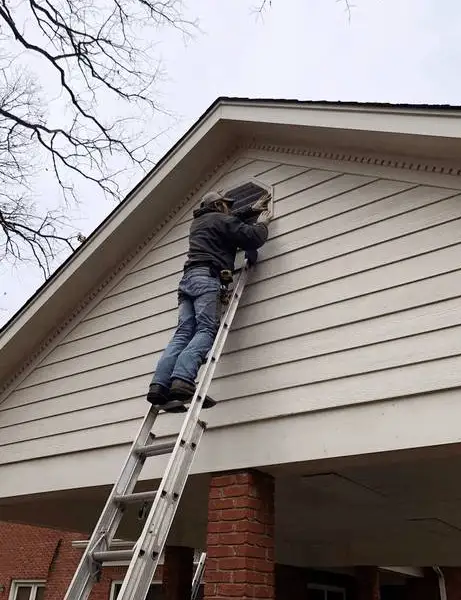
A wasp or hornet nest near your home puts your family at immediate risk of mass stinging. Pest Control Pro is a licensed and fully insured wasp exterminator serving Toronto and the Greater Toronto Area. MECP licensed and industry certified, our team brings proven local expertise and a 5.0-star Google rating from over 100 verified clients.
We provide complete wasp nest removal Toronto homeowners and businesses rely on: nest elimination, residual spray, insecticidal dust, entry-point sealing, and post-treatment monitoring. Every job includes Health Canada approved products on site.
We cover all of Toronto and the Greater Toronto Area, with licensed wasp removal available 24 hours a day, seven days a week. Our teams serve North York, Scarborough, Etobicoke, Mississauga, Brampton, Vaughan, Markham, Oakville, and Richmond Hill.
Wasps and Hornets We Remove: Species in Toronto
Toronto and the GTA are home to several wasp and hornet species that build nests on residential and commercial properties. Species identification drives treatment selection. Pest Control Pro identifies the colony before recommending any approach.
Yellow Jacket (Vespula germanica / Vespula vulgaris)
Vespula germanica nests in Toronto ground voids and wall cavities. Colonies grow to 5,000 workers by late summer. Alarm pheromone triggers mass stinging. Most GTA wasp sting calls involve yellow jackets.
Bald-Faced Hornet (Dolichovespula maculata)
Dolichovespula maculata builds aerial paper nests in Toronto trees and under eaves. Colonies defend aggressively and deliver multiple stings. White facial markings distinguish bald-faced hornets from wasps.
Paper Wasp (Polistes fuscatus)
Polistes fuscatus builds open umbrella nests under Toronto eaves, decking, and window frames. Paper wasp colonies stay under 50 workers. These nests are easiest to remove in spring before populations build.
European Hornet (Vespa crabro)
Vespa crabro is Ontario's only true hornet, up to 35mm in length. European hornets nest in tree hollows and wall voids in Toronto. Size and nocturnal flight alarm residents. Unprovoked attacks are uncommon.
Mud Dauber (Sceliphron caementarium)
Sceliphron caementarium builds mud tube nests on Toronto walls, soffits, and foundations. Solitary and rarely aggressive, mud daubers are not a sting threat. Remove nests to prevent entry-point damage.
Wasp Sting Treatment and the Danger of Untreated Nests
Wasp venom is a vespid venom compound causing pain, swelling, and redness. Alarm pheromone from a disturbed colony signals mass attack within seconds. A single sting triggers anaphylaxis requiring emergency care in sensitised people.
Yellow jackets and bald-faced hornets reach 5,000 workers by late summer. Sting risk peaks in August and September. Any Toronto resident showing hives, throat swelling, or breathing difficulty should seek emergency care at once. For fast wasp nest removal near you, Pest Control Pro responds same-day across Toronto.

Where Wasps Build Nests in Toronto Homes
Wasps nest in a wide range of locations across Toronto properties. Identifying the nest site before treatment determines the approach. Pest Control Pro locates and treats every nest type, including nests that are hidden from view.
Ground and Underground Nests
A wasp nest in ground locations across Toronto is most often a yellow jacket colony inside an abandoned rodent burrow. Ground nests stay hidden until disturbed. Lawn work near a nest entrance triggers immediate mass attack.
Wall Cavity and Soffit Nests
Wasps enter gaps in Toronto soffits, fascia, and siding to nest inside wall cavities. Nests grow undetected for weeks. Removal requires insecticide through access points before physical extraction.
Attic and Roof Space Nests
Toronto attic and roof spaces provide ideal nesting conditions for wasps and hornets. Attic nests grow large before signs appear. Removal requires protective equipment and residual treatment on site.
Under Eaves and Decking
Toronto eaves, overhangs, and decking provide sheltered anchor points for paper wasp and hornet nests. These nests are visible but active. Removal without full protective equipment risks mass stinging.
Tree Hollows and Structural Voids
Tree hollows, fence posts, and Toronto outbuilding voids shelter European hornets and yellow jacket colonies. These concealed nests require insecticidal dust and liquid treatment to reach the full colony.
Pest Control Pro Toronto
info@pestcontrolpro.ca
(647) 471-1332
2482 Dufferin St, York, ON M6B 3R1, Canadá
Mon-Sun — 24 Hours
Our Wasp Nest Removal Process
Safe wasp nest removal in Toronto requires more than a can of spray. Pest Control Pro follows a structured five-step process covering every phase of colony elimination, from species identification through crack and crevice treatment, entry-point sealing, and post-treatment monitoring.
Step 1: Free On-Site Inspection
A Pest Control Pro specialist visits your property, identifies the wasp or hornet species, locates the nest, and assesses entry points and contributing conditions. You receive a treatment plan before work begins. No charge for the visit.
Step 2: Colony and Nest Elimination
Physical removal of the nest structure follows residual treatment to confirm the colony is neutralised. Nest encapsulation prevents scavenger wasps from re-inhabiting the void. Queen elimination is confirmed before the cavity is sealed.
Step 3: Residual Insecticide Spray Treatment
Residual insecticide is applied to the nest site, surrounding surfaces, and flight paths to kill returning wasps and prevent re-colonisation. Health Canada approved product, PMRA-registered, applied by a licensed specialist on every job.
Step 4: Insecticidal Dust Application
Insecticidal dust is injected into wall voids, ground cavities, and structural voids where liquid spray cannot reach. Dust particles adhere to wasp exoskeletons, delivering residual kill deep within the nest cavity over an extended period.
Step 5: Entry-Point Sealing and Post-Treatment Monitoring
Identified entry points are professionally sealed to prevent new wasp colonies from establishing in the same void. Post-treatment monitoring confirms the colony is fully eliminated and no secondary nests remain active on the property.
Wasp Season in Toronto: When Nests Are Most Dangerous
Wasp season Toronto begins in April when queen overwintering ends. Queens emerge to found new colonies. Spring nests hold fewer than 20 workers. By July, the colony reaches 200 to 400 workers and requires full protective equipment.
August and September mark peak wasp season in Toronto, when colonies reach 5,000 workers and sting risk peaks. Alarm pheromone triggers mass attack at nest entrances. Treating any wasp nest early reduces both risk and removal cost.
Why Choose Pest Control Pro for Wasp Exterminator in Toronto, On
A wasp removal specialist visits your property before any work begins. The specialist identifies the species, locates every nest, and provides a written treatment plan. No charge and no obligation to proceed.
Every product used is Health Canada approved and PMRA-registered. Treatments are child-safe and pet-friendly as applied. Re-entry timing is confirmed on every job after treatment is complete.
Pest Control Pro holds a valid Ontario MECP licence and carries full business insurance on every job. Our certifications meet the highest industry standards for pest management in Ontario and across Canada.
Over a decade of wasp exterminator service across Toronto and the surrounding region. Every job follows the same documented process: multi-step treatment, entry-point sealing, and post-treatment monitoring.
Book Wasp Nest Removal in Toronto Today
Wasp colonies grow from 20 workers in spring to 5,000 by late summer. Treat any nest as soon as it appears. Pest Control Pro responds 24 hours a day, fully licensed and insured, across Toronto and the GTA.


Frequently Asked Questions About Wasp Nest Removal in Toronto
Answer: Wasp nest removal cost in Toronto depends on nest location, colony size, and accessibility. Ground nests and wall cavity nests require more equipment than exposed eave nests. Late-season colonies at peak size cost more than spring nests. Providers who skip queen elimination cause re-infestation within weeks. Pest Control Pro provides a transparent written quote before work begins. No hidden fees.
Answer: Small, early-stage paper wasp nests with fewer than 20 workers can be removed at night using commercial aerosol spray and protective clothing. Ground nests, wall cavity nests, bald-faced hornet nests, and any colony at peak late-summer size are not safe for DIY removal. Yellow jacket ground nests need professional insecticidal dust to confirm queen elimination. Attempting these removals without a full bee suit and professional product risks mass stinging.
Answer: A wasp nest in a wall shows three signs. Buzzing comes from inside the wall. Activity concentrates near one gap or crack in the exterior. Workers emerge from a fixed entry point. Attic nests show activity near eave vents or roof penetrations. Ground nests are found by watching wasps fly in and out of a soil opening. The entrance is often at the base of a lawn or garden bed. A Pest Control Pro inspection confirms the species and nest site before treatment.
Answer: Yellow jackets are a type of wasp, not a separate insect. In Toronto, yellow jackets (Vespula germanica and Vespula vulgaris) are the most common and most aggressive wasp species. Hornets are a subgroup of wasps. The bald-faced hornet (Dolichovespula maculata) and European hornet (Vespa crabro) are the two hornet species found in Toronto. Paper wasps (Polistes fuscatus) are generally less aggressive and build smaller open nests. Species identification determines the safest removal method.
Answer: Wasp season in Toronto begins in April when queens found new colonies. Colonies grow through June and July. Wasp season peaks from August through September. Colonies reach 1,500 to 5,000 workers and worker aggression is highest during this period. Colony collapse begins in October. The safest and most cost-effective removal window is spring and early summer, before colonies reach peak size.
Answer: For a typical wasp sting, remove any stinger present. Clean the area with soap and water and apply a cold compress to reduce swelling. Over-the-counter antihistamines reduce local reaction. Seek immediate medical attention for signs of anaphylaxis: widespread hives, throat swelling, difficulty breathing, rapid heartbeat, or dizziness. Anyone with a known vespid venom allergy should carry an epinephrine auto-injector during outdoor activity throughout wasp season in Toronto.
Answer: Yes. All products used by Pest Control Pro are Health Canada approved and PMRA-registered. Treatments are child-safe and pet-friendly as applied. Re-entry timing is confirmed after every job. Pest Control Pro does not use products that pose secondary poisoning risks.
Answer: Pest Control Pro dispatches same-day, 24 hours a day, seven days a week across Toronto and the GTA. Call before noon for same-day wasp nest removal in most GTA locations. For wasp nest removal near me or a wasp exterminator near me, Pest Control Pro is available evenings, weekends, and holidays across the full service area.
About Toronto City
Toronto, the capital of Ontario and Canada’s largest city, sits on the northern shore of Lake Ontario. The city supports one of the most varied housing stocks of any urban centre in North America. Century-old Victorian and Edwardian homes in the Annex, Roncesvalles, and Cabbagetown carry deep soffit cavities, masonry foundations, and ageing fascia. These features create ideal nesting sites for yellow jacket and paper wasp colonies from early spring.
Founded as York in 1793 and incorporated as Toronto in 1834, the city has grown into a metropolitan region of over six million residents. The Greater Toronto Area extends west through Mississauga and Brampton, north into Vaughan and Richmond Hill.
It reaches east through Markham, Pickering, Ajax, and Oshawa. Each brings its own housing character and seasonal wasp pressure. Newer suburban developments in Brampton and Vaughan sit amid open green space where yellow jacket ground nests are common from early summer. Older streets in Mississauga and Markham carry mature tree canopy and landscaping that hosts aerial hornet nests each season.
Pest Control Pro has served this corridor for over 10 years. As a licensed wasp and hornet exterminator Toronto teams dispatch same-day. Hornet nest removal service and licensed wasp control are available across every district and GTA city, with Health Canada approved products on every job.